Maine Forest Service Releases Forestry Best Management Practices Manual for Extreme Weather
Maine Department of Agriculture, Conservation and Forestry sent this bulletin at 02/18/2026 01:01 PM EST
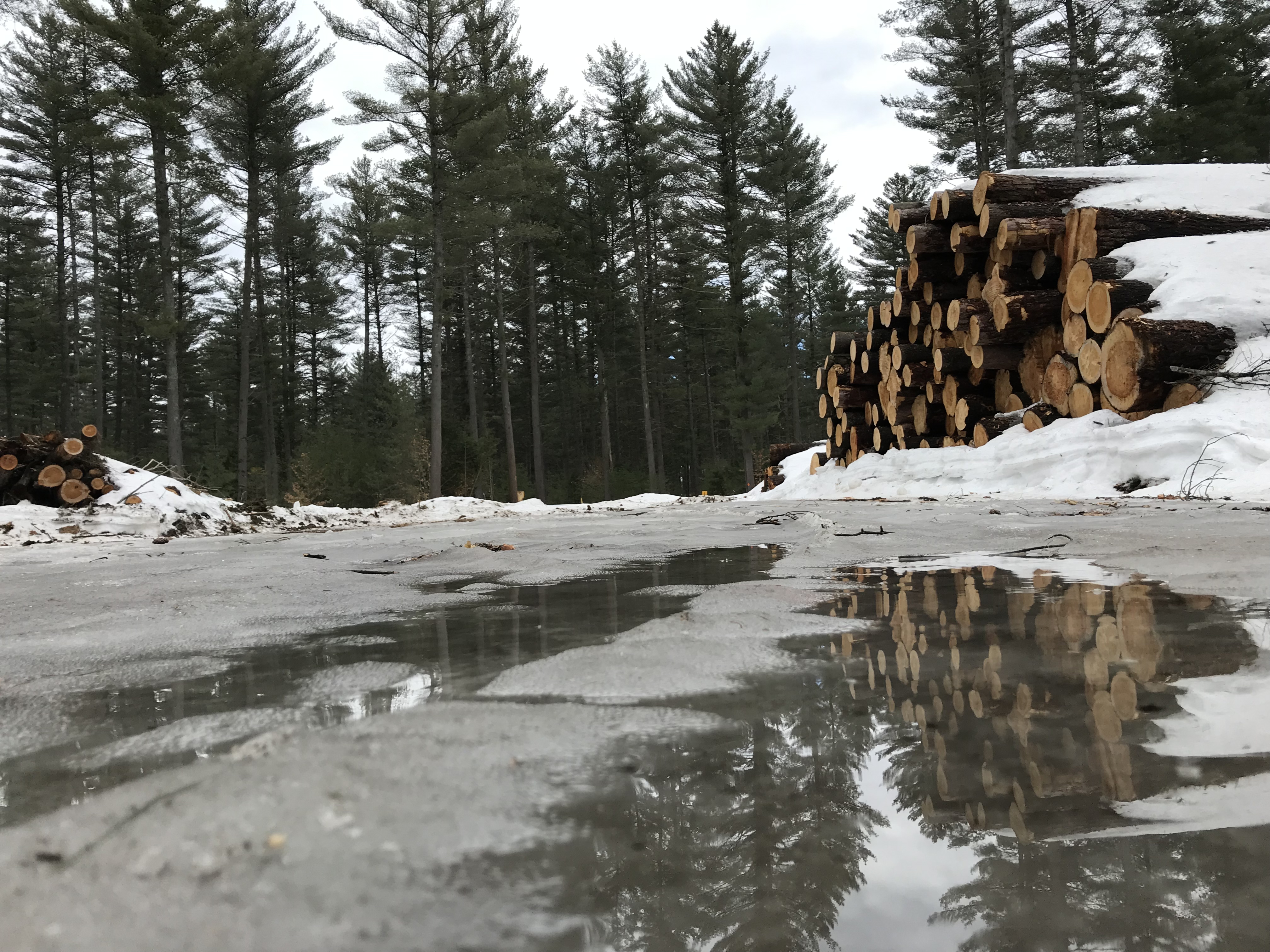
| View as a webpage / ShareMaine Forest ServiceFor Immediate Release February 18, 2026Maine Forest Service Releases Forestry Best Management Practices Manual for Extreme WeatherAugusta – The Maine Department of Agriculture, Conservation and Forestry’s Maine Forest Service (MFS) has released Best Management Practices for Forestry: Adapting to Extreme Weather in Maine, a new addendum to the agency’s core Forestry Best Management Practices (BMP) manual. The new resource provides practical guidance to help landowners, foresters, and loggers plan for, mitigate, and adapt to extreme weather events while protecting water quality.BMPs are voluntary measures designed to protect water quality from sedimentation originating from exposed soil. Extreme weather, including severe rainstorms and mid-winter thaws, poses a particular threat to water quality due to its unpredictability and potential to transport large amounts of sediment in a short period.The new addendum addresses this with common principles of climate adaptation, such as:Plan for extreme weather events, whether it be extreme rain or unseasonable thaws;Adapt by adopting nontraditional or seldom-used techniques to respond to extreme weather quickly and effectively;Mitigate the impacts of extreme weather events by using more of what we already do, such as brushing up trails more heavily and more often, andProtect infrastructure, specifically stream crossings and associated roadways, from high flows associated with extreme storm events.As extreme weather events are becoming more frequent and more severe, forestry BMPs must adapt to the changing climate to effectively protect water quality. Many of the same core principles of water quality protection from the original Maine Forest Service BMP manual, such as pre-harvest planning, controlling water flow, and minimizing and stabilizing exposed soil, are considered in this manual and addressed with enhanced practices and techniques to protect Maine’s water resources from sedimentation during extreme weather events.“Our Forests are the best water filter system we have,” said MFS Director Patty Cormier. “As extreme weather events become more frequent, the new BMP addendum is essential, guiding us to adapt and work with the natural systems by adopting techniques to respond to extreme weather quickly and effectively to protect water resources.” Best Management Practices for Forestry: Adapting to Extreme Weather in Maine is available for download on the MFS website.For more information, please contact MFS Water Resources Specialist, Tom Gilbert at (207) 441-5282 or thomas.gilbert@maine.govDownload Adapting to Extreme Weather in MainePhoto description: An early thaw leaves standing water across a timber harvest landing, where stacked logs wait for conditions to refreeze or dry. For loggers, foresters, and landowners, warm and wet winter weather can delay access for weeks or months, creating costly challenges for moving wood and maintaining safe operations that protect water quality from sedimentation. Photo courtesy Maine Forest Service, Forest Policy and Management. Photo credit: Steven Bick of Northeast Forests, LLCMaine State Government is an equal opportunity provider and employer. Manage Preferences | Unsubscribe | Help | Credits | Contact Us |
Subscribe to updates from Maine Department of Agriculture, Conservation and Forestry
Email Address
e.g. name@example.com
Share Bulletin


Maine Forest Service Releases Forestry Best Management Practices Manual for Extreme Weather
Maine Department of Agriculture, Conservation and Forestry sent this bulletin at 02/18/2026 01:01 PM EST
| View as a webpage / ShareMaine Forest ServiceFor Immediate Release February 18, 2026Maine Forest Service Releases Forestry Best Management Practices Manual for Extreme WeatherAugusta – The Maine Department of Agriculture, Conservation and Forestry’s Maine Forest Service (MFS) has released Best Management Practices for Forestry: Adapting to Extreme Weather in Maine, a new addendum to the agency’s core Forestry Best Management Practices (BMP) manual. The new resource provides practical guidance to help landowners, foresters, and loggers plan for, mitigate, and adapt to extreme weather events while protecting water quality.BMPs are voluntary measures designed to protect water quality from sedimentation originating from exposed soil. Extreme weather, including severe rainstorms and mid-winter thaws, poses a particular threat to water quality due to its unpredictability and potential to transport large amounts of sediment in a short period.The new addendum addresses this with common principles of climate adaptation, such as:Plan for extreme weather events, whether it be extreme rain or unseasonable thaws;Adapt by adopting nontraditional or seldom-used techniques to respond to extreme weather quickly and effectively;Mitigate the impacts of extreme weather events by using more of what we already do, such as brushing up trails more heavily and more often, andProtect infrastructure, specifically stream crossings and associated roadways, from high flows associated with extreme storm events.As extreme weather events are becoming more frequent and more severe, forestry BMPs must adapt to the changing climate to effectively protect water quality. Many of the same core principles of water quality protection from the original Maine Forest Service BMP manual, such as pre-harvest planning, controlling water flow, and minimizing and stabilizing exposed soil, are considered in this manual and addressed with enhanced practices and techniques to protect Maine’s water resources from sedimentation during extreme weather events.“Our Forests are the best water filter system we have,” said MFS Director Patty Cormier. “As extreme weather events become more frequent, the new BMP addendum is essential, guiding us to adapt and work with the natural systems by adopting techniques to respond to extreme weather quickly and effectively to protect water resources.” Best Management Practices for Forestry: Adapting to Extreme Weather in Maine is available for download on the MFS website.For more information, please contact MFS Water Resources Specialist, Tom Gilbert at (207) 441-5282 or thomas.gilbert@maine.govDownload Adapting to Extreme Weather in MainePhoto description: An early thaw leaves standing water across a timber harvest landing, where stacked logs wait for conditions to refreeze or dry. For loggers, foresters, and landowners, warm and wet winter weather can delay access for weeks or months, creating costly challenges for moving wood and maintaining safe operations that protect water quality from sedimentation. Photo courtesy Maine Forest Service, Forest Policy and Management. Photo credit: Steven Bick of Northeast Forests, LLCMaine State Government is an equal opportunity provider and employer. Manage Preferences | Unsubscribe | Help | Credits | Contact Us |
Subscribe to updates from Maine Department of Agriculture, Conservation and Forestry
Email Address
e.g. name@example.com
Share Bulletin
Maine Forest Service Releases Forestry Best Management Practices Manual for Extreme Weather
Maine Department of Agriculture, Conservation and Forestry sent this bulletin at 02/18/2026 01:01 PM EST
|